Industry Insight
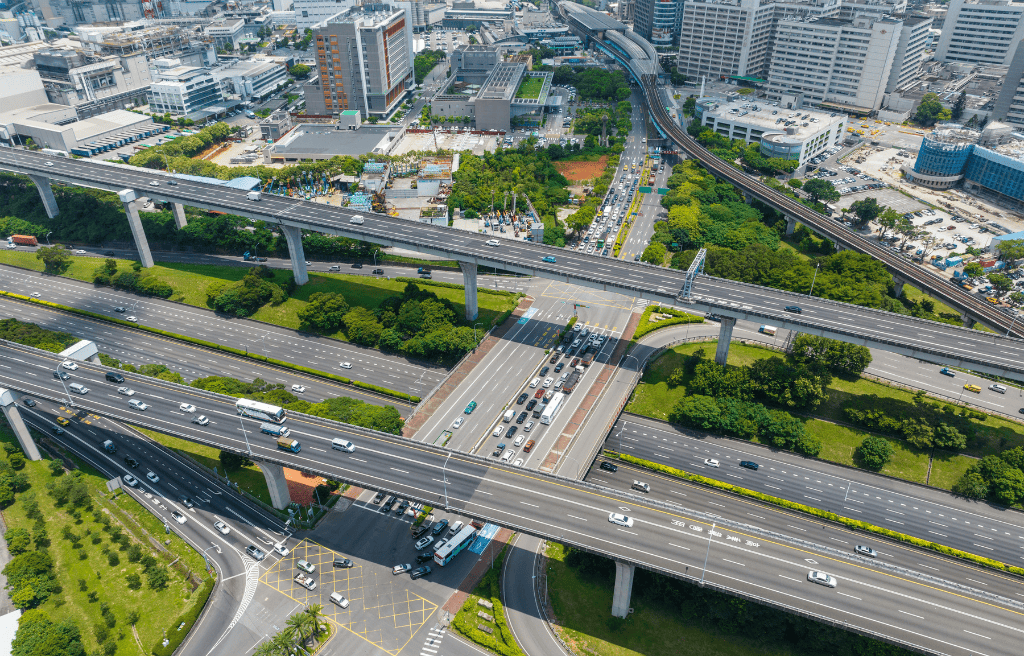
Global infrastructure investment is entering a new expansion cycle.
Governments around the world are increasing spending on transportation networks, energy systems, and digital infrastructure to support economic growth, urbanization, and long-term resilience.
As infrastructure projects grow larger and more complex, construction supply chains are placing greater emphasis on durability, engineering performance, and long-term structural reliability.
This shift suggests that future construction procurement will increasingly prioritize reliability and lifecycle performance rather than simple cost considerations.
Key Takeaways
• Global infrastructure investment is accelerating, driven by transportation, energy, and digital infrastructure.
• Large infrastructure projects require massive quantities of construction materials, including aggregates, cement, and steel.
• Infrastructure systems demand higher-performance materials due to long service lifespans and structural requirements.
• Digital infrastructure and energy transition are creating new demand for specialized materials and structural components.
• Supply chain policies and localization initiatives are reshaping construction procurement strategies.
A New Global Infrastructure Investment Cycle
Infrastructure development has become a strategic priority for many governments.
In the United States, the Infrastructure Investment and Jobs Act (IIJA) allocate approximately USD 1.2 trillion to modernize roads, bridges, railways, ports, airports, and energy infrastructure.
This represents one of the largest public infrastructure investment programs in decades.
Large international initiatives are also contributing to global infrastructure expansion. China’s Belt and Road Initiative (BRI) has supported hundreds of infrastructure projects across Asia, Europe, and Africa.
Between 2008 and 2023, approximately 328 million tons of construction materials were used across 540 infrastructure projects.
These figures illustrate how large infrastructure programs can rapidly increase demand across global construction material markets.
Higher Engineering Standards for Infrastructure Materials
Infrastructure projects differ significantly from conventional residential construction.
While housing developments typically prioritize speed and cost efficiency, infrastructure systems must operate safely for decades under heavy loads and demanding environmental conditions.
Bridges, tunnels, rail systems, and energy facilities are engineered with strict safety requirements and long service lifespans.
As a result, materials used in infrastructure construction must deliver higher structural strength, corrosion resistance, and long-term durability.
This trend is gradually influencing material specifications across the broader construction industry.
The Often Overlooked Role of Fasteners

While steel, concrete, and aggregates receive most attention in infrastructure discussions, smaller engineered components also play a crucial role.
Structural systems rely on connection technologies such as anchors, bolts, and construction screws to maintain stability and enable efficient installation.
In large infrastructure projects, fastening performance becomes increasingly important as structures grow larger and engineering tolerances become tighter.
For fastener manufacturers, this trend highlights the growing importance of product consistency, corrosion resistance, and installation reliability in modern construction systems.
Reliable fastening solutions help ensure structural integrity and long-term performance across complex building systems.
New Infrastructure Trends and Material Demand
Infrastructure investment is expanding beyond traditional transportation projects.
Digital infrastructure and AI-driven data centers are generating new demand for advanced materials and electrical systems.
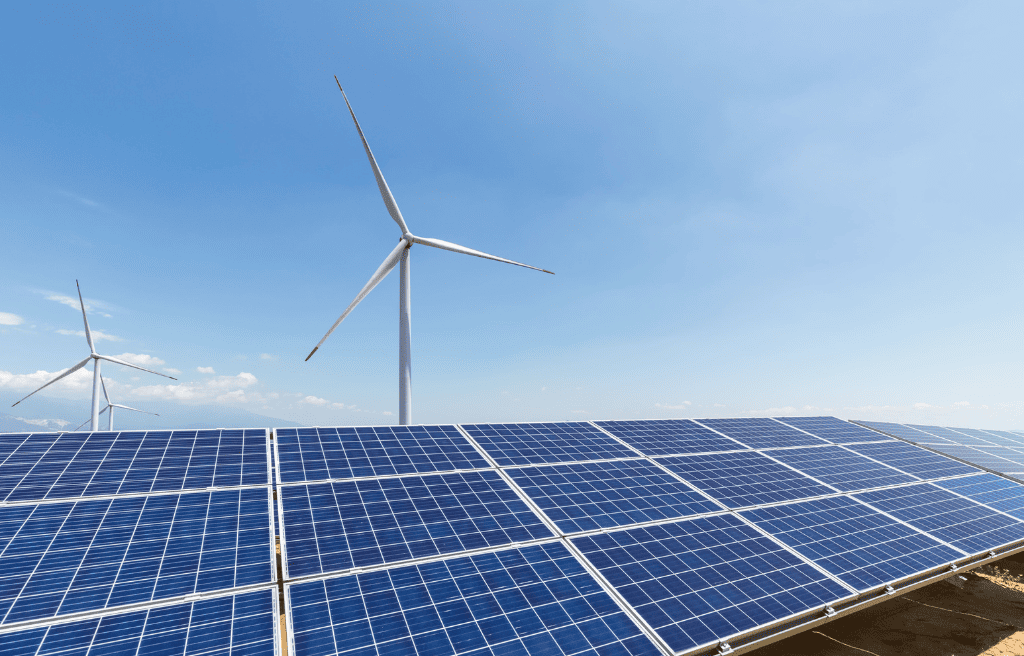
At the same time, global energy transition policies are accelerating investment in renewable energy infrastructure and power grid modernization.
Wind farms, solar installations, and grid expansion projects require large quantities of metals such as copper and aluminum, along with specialized structural components.
Environmental regulations are also influencing construction material choices.
Low-carbon concrete, recycled construction materials, and energy-efficient building systems are becoming increasingly common.
Policy and Supply Chain Challenges
Infrastructure investment is also reshaping supply chains.
In the United States, the Build America, Buy America Act (BABA) requires that iron, steel, manufactured products, and construction materials used in federally funded projects be produced domestically.
These policies aim to strengthen domestic manufacturing while influencing procurement strategies across the construction industry.
At the same time, rising construction costs and material price volatility have become major concerns for project developers.
Competition for materials across multiple large projects can lead to price fluctuations and procurement delays.
For suppliers across the construction supply chain, maintaining stable production capacity and reliable delivery schedules is becoming increasingly important.
Long-Term Outlook
Global infrastructure investment is expected to remain a major driver of construction demand over the coming decades.
Population growth, urbanization, digital connectivity, and energy transition are pushing governments to modernize critical infrastructure systems.
Trillions of dollars are expected to be invested in transportation networks, energy systems, and public infrastructure worldwide.
As construction projects become larger and more technically demanding, connection reliability will play an increasingly important role in structural performance and installation efficiency.
For the construction fastener industry, this trend reinforces the growing importance of reliable connection technologies within modern building systems.
Industry Perspective
For fastener manufacturers such as Fong Prean, global infrastructure development highlights the growing importance of reliable fastening systems in modern construction.
High-performance fastening solutions are essential for maintaining structural stability, installation efficiency, and long-term infrastructure reliability.
At Fong Prean, we focus on developing construction screws designed for demanding applications such as timber structures, façade systems, and building installations.
With decades of experience in fastener manufacturing, we are committed to delivering consistent product quality and engineered fastening performance to support modern construction systems.
Sources
- U.S.
Department of Transportation
https://www.transportation.gov/briefing-room/investing-america-us-department-transportation-celebrates-creation-more-17-million - Eno
Center for Transportation
https://enotrans.org/eno-resources/rising-construction-costs-analyzing-the-contributors-to-cost-escalations-and-the-impact-on-federal-transportation-infrastructure-investments/ - Government
Finance Officers Association (GFOA)
https://www.gfoa.org/the-infrastructure-investment-and-jobs-act-iija-was - PubMed
Central – Belt and Road Infrastructure Material Research
https://pmc.ncbi.nlm.nih.gov/articles/PMC11375774/ - UN
One Planet Network
https://www.oneplanetnetwork.org/sites/default/files/value_chain_analysis_construction_-_draft_201210_-_for_inputs.pdf