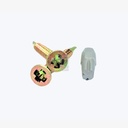
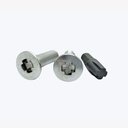
Product Description
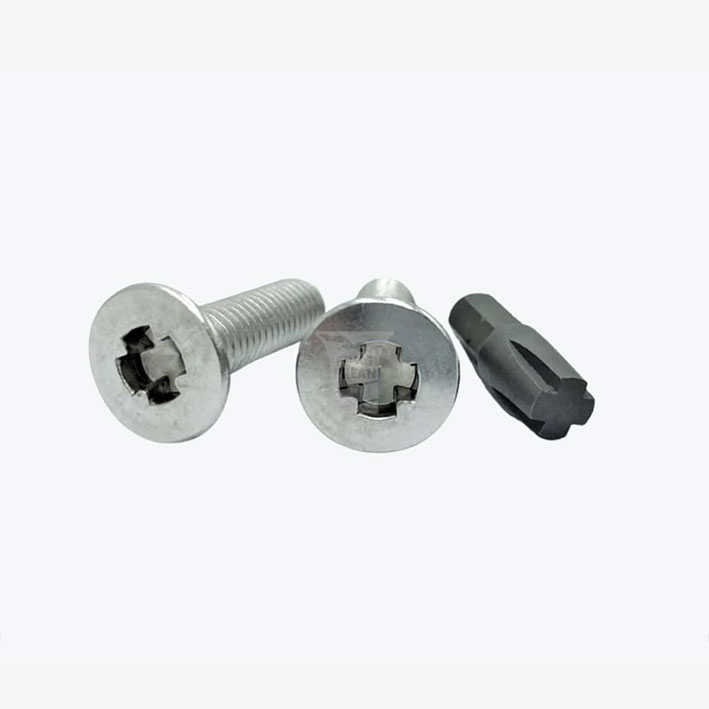
Super-Cross Recess Screw | High Torque Drive Solution for Low Profile Head Screw and Pancake Head Screw Designs
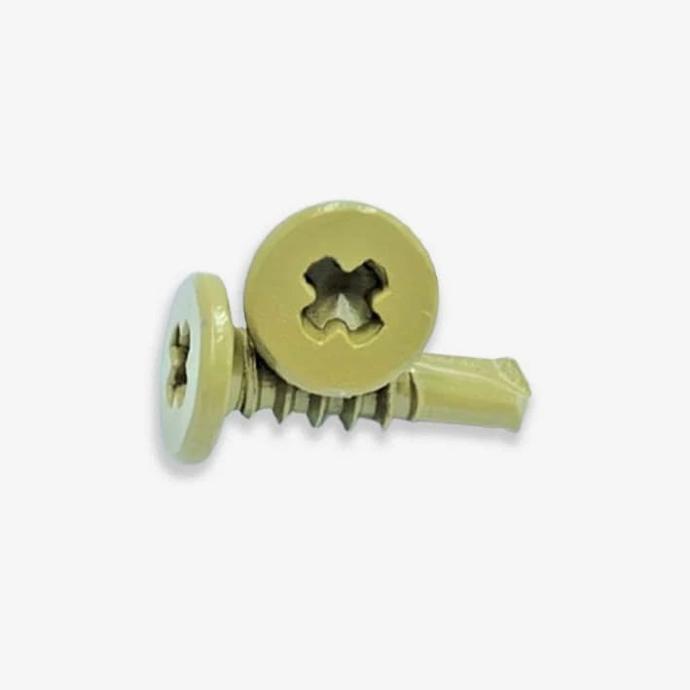
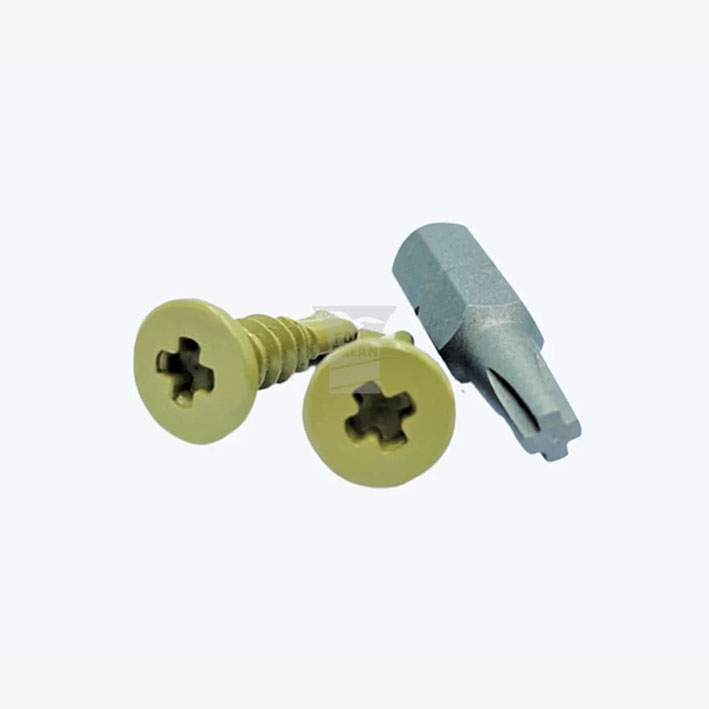
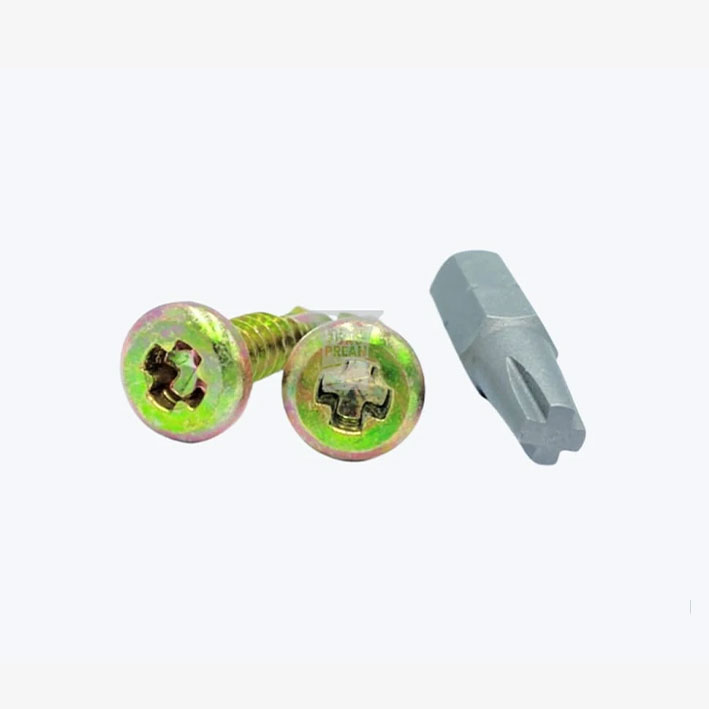
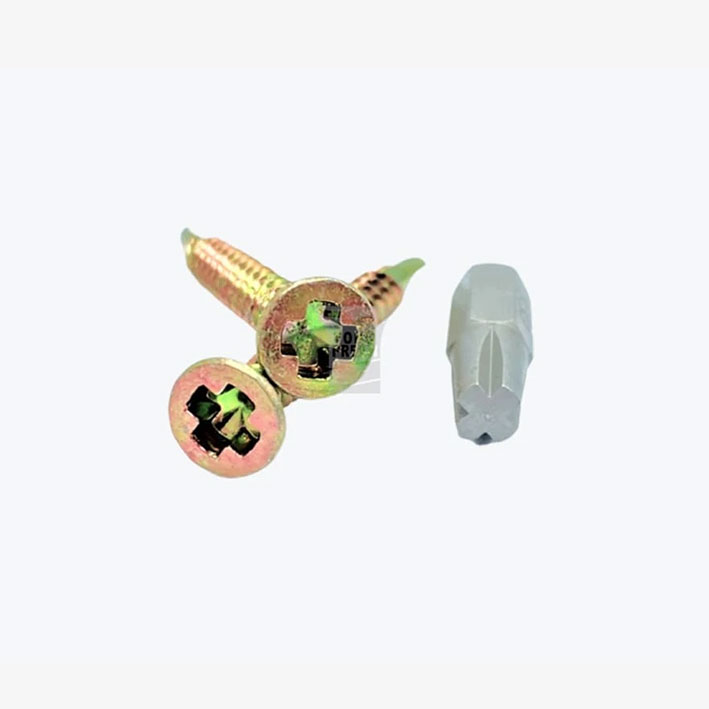
The Super-Cross Recess Screw (SCR) was developed to solve a common fastening limitation in low profile head screw and pancake head screw designs. Because these screw heads have reduced height, conventional cross recesses are often too shallow to provide strong bit engagement. This can lead to weak torque transfer, unstable driving, and a higher risk of cam-out under load.
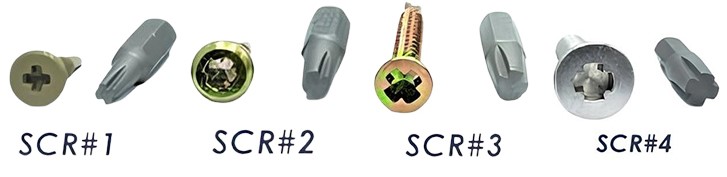
Key Advantages
- High torque performance
SCR is specifically valuable in low profile head screw and pancake head screw applications, where shallow recess depth often limits the driving force of conventional designs. Its optimized recess geometry helps deliver stronger torque transfer and more reliable fastening under heavy-load conditions. - Minimal impact from coating
Coating can severely reduce the effective recess depth of conventional cross drives, especially in compact head designs. SCR is engineered to maintain better bit engagement after coating, helping preserve drivability and torque performance without requiring excessive recess redesign or punch adjustment. - Reduced cam-out under load
SCR improves bit retention during installation, reducing the chance of slipping or jumping out during driving. This is particularly important in high-torque applications where conventional cross recess systems are more likely to fail. - More stable bit fit
The SCR recess is designed for tighter and more controlled engagement. This helps reduce wobbling, improves operator control, and supports smoother driving performance.
Specification
SCR Comparison | Higher Torque Than Phillips, Square, PH-SQ, and T25
Compared with conventional recess designs that failed mainly by cam-out, SCR reached a significantly higher torque range before failure. While Phillips, Square, and PH-SQ#2 showed lower torque capacity and cam-out related limitations, SCR maintained stronger engagement and ultimately failed by recess ream, indicating that the drive remained engaged to a much higher torque level before the recess itself gave way.
This comparison highlights a key advantage of SCR in low profile head screw and pancake head screw applications. In these screw types, recess depth is often limited by head geometry, making torque loss and bit instability more likely with standard drive designs. SCR is engineered to improve bit fit and torque transfer in exactly these conditions, helping reduce cam-out and deliver more stable fastening performance.
Why This Matters?
For pancake head screw and low profile head screw designs, shallow recess depth often limits the effectiveness of ordinary drive systems. This test result shows that SCR is better suited for compact head applications that still require:
• stronger torque transfer
• reduced camout risk
• more stable bit engagement
• better fastening consistency under load
FAQ
Q1. What is a Super-Cross Recess Screw (SCR)?
A1: Super-Cross Recess Screw (SCR) is an advanced drive system designed to improve bit stability, torque transfer, and driving reliability. It was developed to address the limitations of conventional cross recess designs, especially in low profile head screw and pancake head screw applications where limited head height can reduce recess depth and weaken driving performance.
Q2. Why is SCR suitable for low profile head screw and pancake head screw designs?
A2: SCR is especially suitable for low profile head screw and pancake head screw designs because these head styles often have limited recess depth due to reduced head thickness. Conventional cross recesses in shallow head designs may not provide enough bit engagement or torque capacity under load. SCR is designed to create a tighter and more stable bit fit, helping deliver higher torque and reducing the risk of cam-out in these compact head applications.
Q3. How does SCR perform after coating?
A3: One of the key advantages of SCR is that its drivability is less affected by coating. In standard cross recess designs, coating can make the recess effectively shallower, causing the bit to sit higher and reducing usable torque. SCR helps maintain better bit engagement after coating, allowing standard bits to operate more smoothly and consistently without major recess-depth compensation.
Q4. Can SCR help reduce cam-out during installation?
A4: Yes. SCR is designed to improve bit engagement and reduce wobbling during driving, which helps lower the chance of cam-out. In torque comparison testing under axial load 5 N, SCR showed stronger torque performance than several conventional recess types, supporting its advantage in applications where stable engagement and higher driving force are required.