In furniture and cabinetry, strength is rarely decided by the visible surface alone. Long before a drawer starts to loosen or a cabinet joint begins to shift, the real story is usually hidden inside the connection points. The screw you choose affects not only holding power, but also how cleanly the wood closes, how stable the assembly remains over time, and how likely the material is to split during installation.
That is why selecting the best wood screws for furniture and cabinetry is not just a hardware decision. It is a build-quality decision.
Whether you are working with hardwood furniture, plywood cabinets, or general indoor cabinetry, choosing the right cabinet screws starts with understanding three basics: size, thread design, and finish. When those three factors match the material, the result is a cleaner assembly, better durability, and fewer installation problems.
Quick Answer: What Are the Best Screws for Wood Furniture and Cabinets?
The best wood screws for furniture and cabinetry depend on the material, thickness, and installation conditions. For many indoor projects, #8 or #10 screws are a practical starting point. Coarse threads are often better for softwood and plywood, while fine threads are more suitable for hardwoods where splitting control matters more. In kitchens, bathrooms, or other moisture-prone areas, corrosion-resistant finishes are also important.
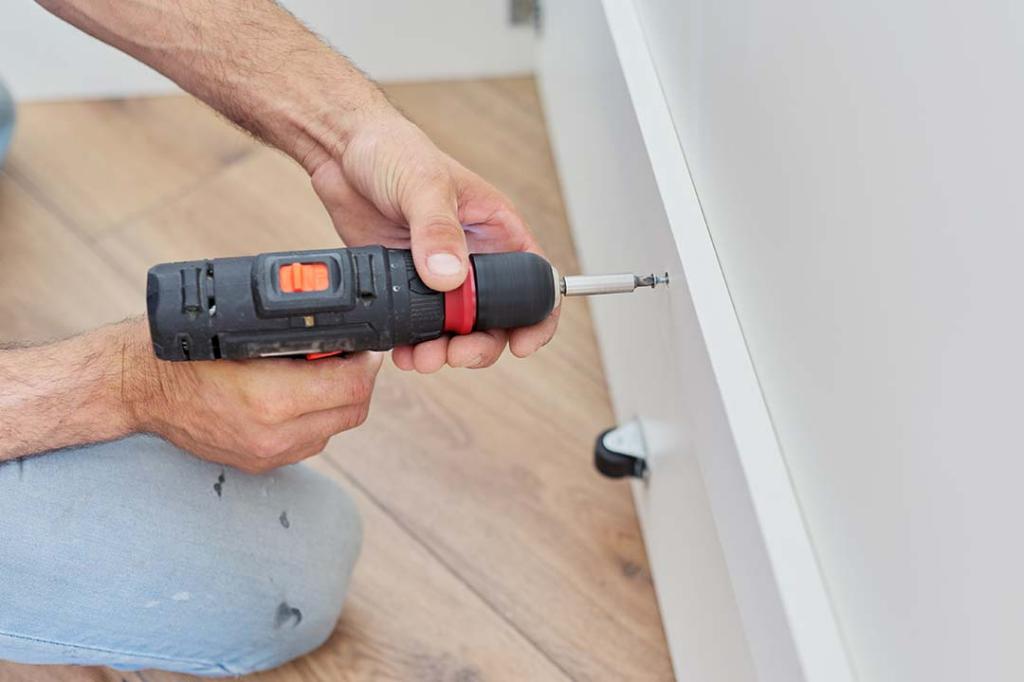
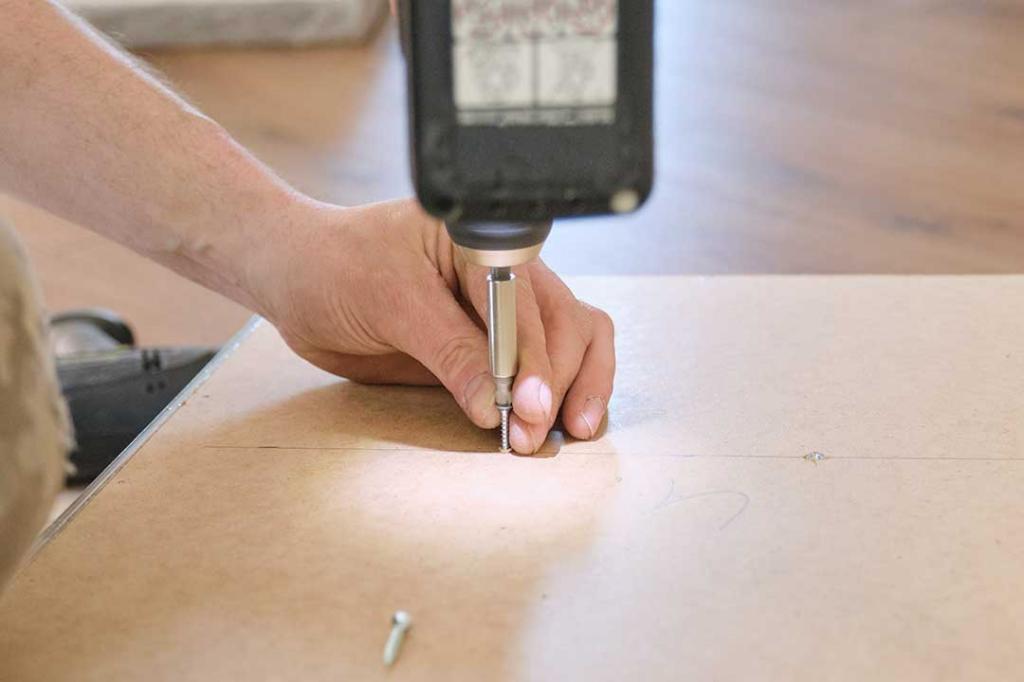
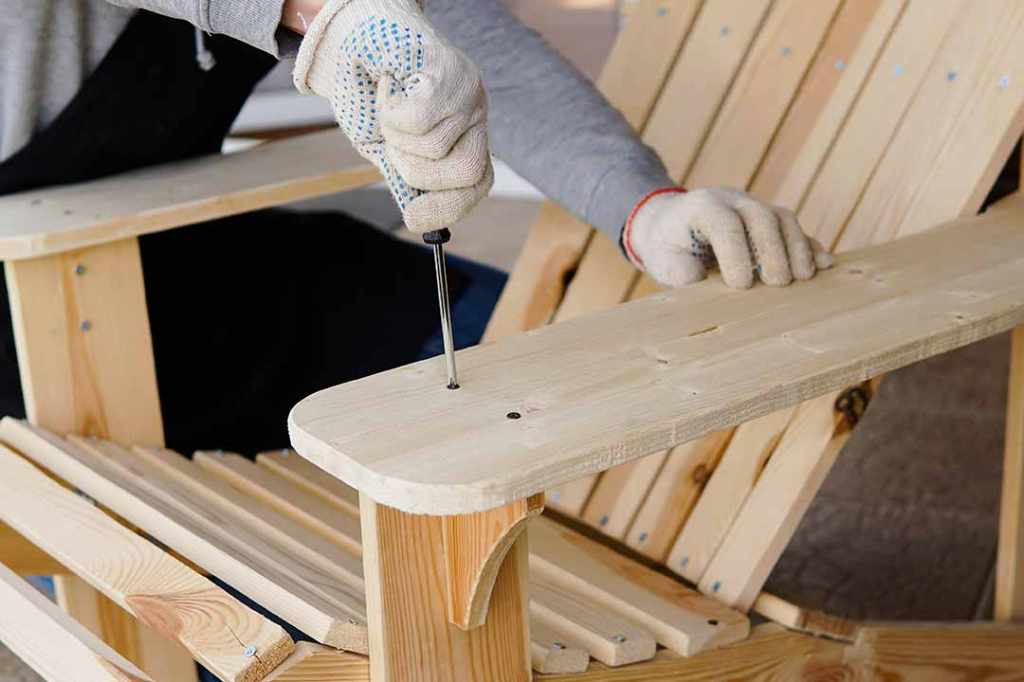
Why Screw Selection Matters More in Furniture and Cabinetry?
In structural woodwork, a screw mainly needs to hold. In furniture and cabinetry, it needs to do more than that.
It must hold the joint securely without damaging the visible surface. It must pull materials together cleanly without forcing the wood fibers apart. It should support long-term stability while maintaining a neat appearance that fits the finish quality of the piece.
This is especially important in cabinetry, where screws are often installed close to panel edges, into plywood layers, or through materials that can split, mushroom, or strip if the wrong fastener is used. The same applies in furniture construction, where one poor screw choice can weaken the joint or reduce the overall visual quality of an otherwise well-made product.
Match Cabinet Screw Size to Material Thickness
A common question in furniture assembly is what size screws to use for cabinets or wood furniture. In many applications, #8 and #10 screws are the most common choices, depending on material thickness and load requirements.
1. Diameter: Choosing the Right Gauge
For standard furniture and cabinetry, #8 or #10 wood screws offer a good balance of strength and control. A #8 screw is often suitable for lighter-duty furniture, while #10 cabinet screws are better for heavier pieces or where stronger holding power is needed.
The goal is to choose a diameter that provides enough grip without putting too much stress on the wood, especially near edges or narrower parts.
2. Length: Enough Penetration Without Blow-Through
Screw length is just as important as gauge. It should penetrate deeply enough into the adjoining piece for a secure hold, but not so far that it breaks through the visible surface.
As a general rule, cabinet screws should reach at least halfway into the second piece of wood. In some furniture projects, 2.5-inch screws may be suitable, but the ideal length should always match the actual board or panel thickness.
If a screw is too short, the joint may weaken over time. If it is too long, it can damage the finished piece.
Thread Type Matters More Than Many People Expect
Not all wood screws behave the same way once they enter the material. Thread design directly influences grip, driving resistance, and splitting risk.
1. Coarse Threads for Softwood and Plywood
Coarse-thread wood screws are generally a better choice for softwoods such as pine, spruce, or cedar. Their deeper thread pattern grips less dense wood fibers well and helps deliver strong holding power without stripping too easily.
They also perform well in many plywood applications. Because plywood is layered, the screw needs enough bite to hold securely without damaging the structure. In many cases, coarse threads provide that balance well. For plywood cabinets, this is often the best place to start.
2. Fine Threads for Hardwood Furniture
Hardwoods such as oak, maple, or walnut need a different approach because they are denser and less forgiving during installation.
Fine-thread wood screws are often better for hardwood furniture because they drive with more control and help reduce the risk of splitting. This is especially important near edges, narrow sections, or detail-sensitive areas where damage is harder to fix.
In general, softwood benefits from stronger bite, while hardwood benefits from more controlled engagement.
Material and Finish Selection for Different Environments
A screw’s finish affects more than appearance. It also influences long-term durability, especially in spaces exposed to humidity or occasional moisture.
1. Stainless Steel or Coated Screws
For kitchens, bathrooms, utility cabinets, or other moisture-prone indoor spaces, stainless steel or coated cabinet screws are the more durable choice.
They offer better corrosion resistance and help reduce the risk of rust, surface damage, or long-term weakening.
2. Zinc-Plated or Brass Finish
For dry indoor furniture applications, zinc-plated or brass-finished wood screws are often a cost-effective and dependable option.
They do not provide the same corrosion resistance as stainless steel, but they are usually sufficient for most interior furniture used in stable, dry environments.
The best finish should be selected based on the actual environment, not appearance alone.
Why Anti-Split Wood Screws Are Increasingly Preferred?
One of the most practical improvements in modern wood fastening is the use of anti-split screw designs.
Traditional wood screws can push wood fibers apart as they enter, especially near the edge of solid timber or in dense materials. This increases the chance of cracking, surface damage, and wasted work. Anti-split wood screws are designed to reduce that stress during entry, making installation smoother and more predictable.
For furniture makers and cabinet manufacturers, this matters for two reasons. First, it improves efficiency by reducing the extra steps needed to prevent splitting. Second, it helps protect the final appearance of the workpiece, which is especially important in visible joinery or premium wood applications.
A Practical Alternative for Faster Cabinet Assembly
For workshops or manufacturers looking to simplify installation, reamer-style cabinet screws offer a more advanced option than general-purpose fasteners.
For example, Fong Prean Patent Reamer Cabinet Screws are designed for no pre-drilling use and feature an anti-split tip that performs well even near timber edges. In practice, this type of fastener can help improve assembly efficiency while reducing the risk of material damage during installation.
The value here is not simply speed. It is more consistent fastening with less disruption to the wood, which is often what furniture and cabinetry applications need most.

Reamer Cabinet Screws - No Pre-Drill & Anti-Split
Final Thoughts: Choose Screws Based on the Material, Not Habit
The best wood screws for furniture and cabinetry are rarely chosen by habit alone. They are chosen by matching the fastener to the material, the environment, and the demands of the finished piece.
A well-selected screw helps create stronger joints, cleaner assembly, and better long-term durability. It also reduces common problems such as splitting, stripping, poor alignment, and unnecessary rework.
For softwood and plywood, coarse-thread cabinet screws often make sense. For hardwood furniture, finer threads offer better control. For moisture-prone spaces, corrosion-resistant finishes are worth the investment. And when installation speed and edge protection matter, anti-split cabinet screws or no-pre-drill designs can offer a meaningful advantage.
In furniture and cabinetry, good results do not come from choosing the most aggressive fastener. They come from choosing the one that fits the material best.
FAQ
Q1. What are the best wood screws for furniture and cabinetry?
A1: The best wood screws for furniture and cabinetry depend on the wood type, panel thickness, and installation environment. For many indoor applications, #8 or #10 screws are common choices. The ideal screw should provide secure holding power, reduce splitting risk, and match the finish requirements of the project.
Q2. What size screws are commonly used for cabinets?
A2: For many cabinet and furniture applications, #8 and #10 screws are the most commonly used sizes. The correct length depends on how thick the materials are and how much penetration is needed into the adjoining piece without breaking through the finished surface.
Q3. What are the best screws for plywood cabinets?
A3: For plywood cabinets, screws that provide strong grip without damaging the layered structure are generally the best option. Coarse-thread cabinet screws are often preferred because they hold well in plywood and help reduce stripping during installation.
Q4. Do wood screws for furniture always need pre-drilling?
A4: Not always. Pre-drilling is still recommended in many cases, especially when working with hardwood, fastening near edges, or assembling parts that require precise alignment. However, some advanced fasteners are designed to reduce this extra step. For example, Fong Prean Reamer Cabinet Screws are developed for no pre-drill use, helping improve installation efficiency while also reducing the risk of splitting.