Key Takeaways
Between 2025 and 2026, the global construction industry is shifting from a growth model focused on scale and speed to a new structural phase centered on stability, predictability, and system optimization.
Rising costs, labor shortages, sustainability pressure, and digitalization are fundamentally reshaping how projects are planned and delivered.
Introduction : A Structural Turning Point for Construction
For more than a decade, the construction industry followed a clear direction: build faster, build bigger, and compete on cost efficiency.
However, this growth-driven model is now reaching its limits. Cost pressure, labor shortages, stricter sustainability requirements, and increasing project complexity are exposing weaknesses that can no longer be absorbed by scale alone.
As a result, the industry is reaching a structural turning point—moving from a growth phase toward an optimization-driven phase.
From Market Expansion to Project-Level Precision
During the growth phase, construction projects could absorb a certain level of inefficiency and adjustment cost. But as projects become larger, longer, and more interconnected, even small deviations can escalate into system-level risks.
Key characteristics of today’s projects include:
- Longer and more complex project life cycles
- Higher dependency across systems and disciplines
- Lower tolerance for delays, defects, and errors
The result is clear: the impact of individual decisions is amplified. The industry is no longer focused on “doing more,” but on doing things more consistently and more reliably.
Digitalization Is Redefining What Is “Viable”
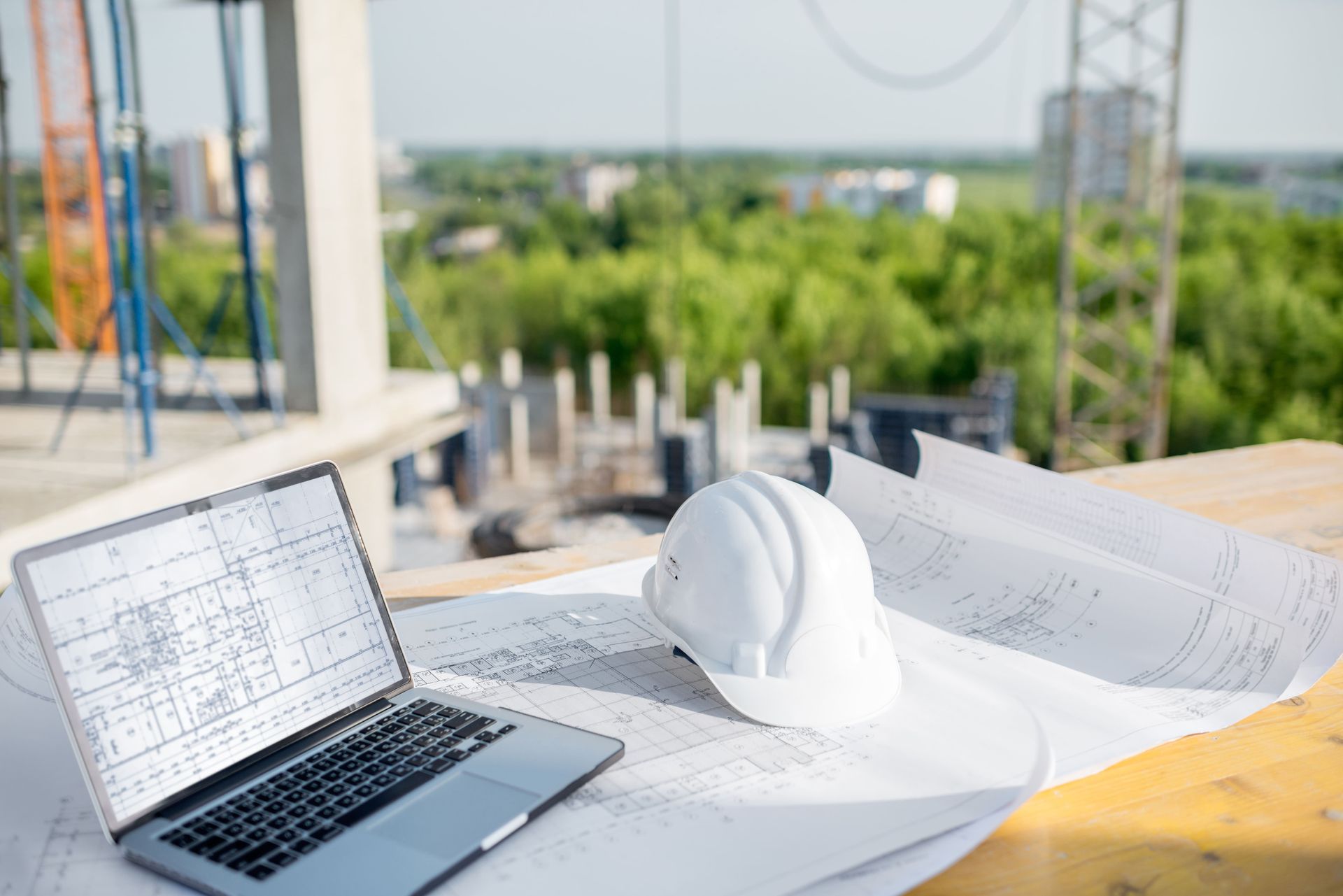
In the past, digital tools were mainly viewed as efficiency enhancers. Today, digitalization has become part of the construction structure itself.
For example:
- BIM is no longer just a design tool, but a shared foundation for coordination and specifications
- Project data is shifting from historical analysis to risk prediction and real-time decision support
- AI-driven tools are improving visibility into risk and resource allocation
In this environment, stability, repeatability, and predictability have become non-negotiable requirements.
Sustainability, Cost, and Risk Are Converging
Sustainability is no longer a “nice-to-have.” It now directly affects project feasibility and cost structures.
Across global markets:
- Material and energy costs remain high
- Sustainability regulations and carbon requirements are influencing supply and design decisions
- Green building technologies and materials continue to expand
As a result, decision-makers are asking a different question: “Does this choice improve system stability, reduce risk, and support long-term performance?”
From Maximizing Output to Minimizing Variation
Taken together, these changes point to a clear trend: The construction industry is shifting from maximizing output to minimizing variation. Consistent quality, reliable performance, and predictable outcomes are becoming the core values of this new phase.
This naturally leads to the next critical question:
“When projects demand high stability, should supply chains be treated as a structural condition rather than an operational detail?”
This question is examined in greater depth in the following article: Why Supply Chain Stability Is Becoming a Structural Requirement in Construction?
Key Summary
- Construction is moving from growth-driven to optimization-driven
- Digitalization and sustainability are reshaping system requirements
- Cost, labor, and risk are driving consistency-first decision-making
- Next step: supply chain stability as a structural condition
References
- Global Construction Industry Trends 2025/2026 — Atradius
- Construction Industry Trends in Winter 2025–2026 — Gallagher
- 2026 Engineering and Construction Industry Outlook — Deloitte
- Building Technology Market Outlook 2026–2036 — Research Nester

Ling Wu, Marketing Analyst
Ling Wu is a marketing analyst at Fong Prean, focusing on market research, trend insights, and content strategy. With a passion for data-driven storytelling, Ling bridges industry knowledge with actionable insights to help businesses thrive.