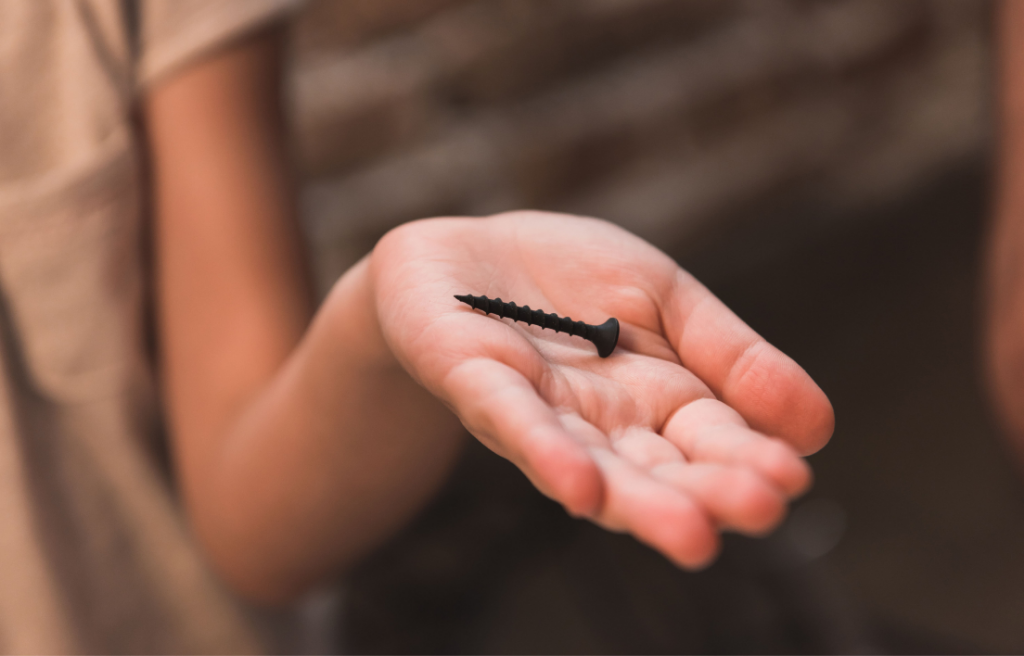
As green building and ESG standards become more influential across global construction markets, many buyers, project owners, and specifiers are asking a practical question: can a construction screw really make a difference in sustainability?
From our perspective, the answer is yes.
In today’s building environment, sustainability is no longer defined only by using “green materials.” It is increasingly measured through carbon footprint management, durability, maintenance frequency, compliance, recyclability, and full lifecycle performance. That is why even a small component such as a construction screw has become an important part of responsible building design.
For procurement teams, contractors, and developers, the right screw is no longer just about holding materials together. It can also help reduce waste, extend service life, support modular repair, and improve long-term environmental performance.
Green building standards are evolving. In the past, the focus was often placed on insulation, glass, coatings, or structural materials. Today, international markets are paying more attention to the entire material system, including the hidden hardware that affects installation quality, maintenance cycles, and product longevity.
A screw may be small, but it influences several sustainability outcomes:
How long a façade, roof, wall, or flooring system can remain stable
How often components need replacement
Whether a structure can be disassembled and repaired efficiently
How much material waste is generated on site
Whether the product complies with environmental regulations such as RoHS
This is especially important in construction projects where thousands, or even millions, of fasteners are used. When multiplied at scale, a better construction screw can create measurable environmental and operational benefits.
When we talk about a “sustainable screw,” we do not mean a marketing label. We mean a fastener designed to perform well across the full lifecycle of a building or installation system.
1. Durable anti-corrosion coating extends service life
A screw with strong corrosion resistance lasts longer in outdoor, humid, coastal, or high-exposure environments. This reduces the need for replacement, lowers maintenance labor, and helps prevent premature system failure.
For green building projects, longer-lasting hardware means:
fewer replacement cycles
lower material consumption over time
reduced transportation and service-related emissions
better lifecycle cost control
2. Hexavalent chromium-free treatment supports environmental compliance
Many global buyers now expect hardware to align with stricter environmental standards. Surface treatment that avoids hexavalent chromium is especially relevant because it helps support compliance with EU RoHS requirements and broader sustainability expectations.
For importers and project suppliers, this is no longer optional in many markets. It is becoming a baseline requirement for responsible sourcing.
3. Removable design supports circular building principles
A sustainable building should not be difficult to repair. In modular construction, prefabrication, and renovation projects, removable fastening systems make future maintenance easier.
A screw that supports disassembly can help:
replace damaged modules without destroying surrounding materials
reduce demolition waste
improve building adaptability
support reuse and circular construction strategies
This is one reason why fastener selection matters in buildings designed for long-term flexibility.
4. Traceable steel sources can reduce carbon footprint
Buyers in Europe and advanced construction markets are increasingly asking where steel comes from and how it was processed. If a screw manufacturer can provide traceability, recycled steel content information, or low-carbon material options, that can become a real advantage in ESG-sensitive tenders.
Material traceability helps procurement teams evaluate:
embodied carbon potential
supply chain responsibility
consistency in quality and compliance
readiness for future reporting requirements
5. Reduced-plastic packaging lowers on-site waste
Sustainability does not stop at the screw itself. Packaging also matters. Construction sites generate large volumes of packaging waste, especially plastic bags, trays, and disposable packing materials.
A better packaging approach can help:
reduce site waste
improve storage efficiency
simplify sorting and recycling
support cleaner project operations
For buyers managing high-volume screw procurement, packaging design can directly influence environmental performance and practical site handling.

In our observation, Europe, especially Germany and the Nordic region, has been ahead of many other markets in connecting building hardware with sustainability expectations.
In these regions, screws and fasteners are increasingly linked to:
environmental certifications
test documentation
responsible material sourcing
chemical compliance
lifecycle performance claims
This trend creates real export pressure for Asian manufacturers and suppliers. Buyers are no longer asking only for price and lead time. They are also asking for:
carbon-related statements
product test reports
coating performance data
supply chain responsibility information
documentation that supports green procurement policies
For Taiwanese suppliers, this is both a challenge and an opportunity. Companies that can respond with quality, transparency, and technical documentation will be in a stronger position.
Green building projects need more than weather resistance. They need fasteners that improve both sustainability and field efficiency.
Below is a practical comparison for procurement and project teams.
Requirement in Green Building | Why It Matters | What to Look for in a Construction Screw |
High corrosion resistance | Extends lifespan and reduces replacement | Reliable anti-rust coating and tested durability |
Fast installation | Saves labor time and lowers energy use on site | Sharp point, stable drive, consistent thread design |
Removability | Supports repair, upgrades, and modular replacement | Design suitable for disassembly and maintenance |
Lower environmental impact | Helps meet ESG and green procurement goals | RoHS-friendly treatment, traceable steel, reduced-impact materials |
Less waste during use | Improves site cleanliness and material efficiency | Better packaging, reliable performance, fewer damaged fasteners |
In simple terms, the right construction screw for green building should do four things well: last longer, install faster, enable future repair, and create less waste.
Q1. Are sustainable screws always more expensive?
Not necessarily. The unit price may be higher in some cases, but the total lifecycle cost can be lower because durable screws reduce maintenance, replacement, labor, and failure risk.
Q2. What environmental compliance should buyers check first?
A practical starting point is to review material safety and surface treatment compliance, especially whether the product aligns with RoHS-related expectations and avoids restricted hazardous substances.
Q3. Why does removability matter in green building?
Removable fastening supports repair, replacement, and modular upgrades. This helps reduce demolition waste and improves the long-term adaptability of the building.
Q4. Do coatings affect sustainability?
Yes. A high-performance anti-corrosion coating can significantly extend screw life, which reduces replacement frequency, transportation needs, and material waste over time.
Q5. What documents are international buyers beginning to request?
More buyers now request test reports, compliance records, supply chain information, and in some cases carbon-related statements or material traceability details.
Q6. Can packaging really influence sustainability in fastener procurement?
Yes. Large-volume projects consume substantial packaging. Reduced-plastic or better-organized packaging can lower waste on site and improve disposal efficiency.
We believe sustainability in fastening is not just about using a greener label. It is about making better engineering decisions from the start. A screw that performs reliably, lasts longer, supports compliance, and reduces waste is already contributing to a better building lifecycle.
At Fong Prean Industrial Co., Ltd., we continue to focus on R&D, product consistency, and application-driven screw design for global construction needs. If you are evaluating construction screw solutions or looking for an experienced OEM screw partner with technical development capability, you can explore our R&D strengths.
As ESG and green building standards continue to shape the construction industry, even the smallest component can influence project outcomes. The next generation of building hardware is not only strong and reliable, it must also support longer life, lower waste, better compliance, and smarter maintenance.
That is why we believe screws can absolutely support sustainability.
If your team is sourcing for green building, export compliance, or long-term performance, we welcome you to connect with us and discuss the right solution for your application. Contact Fong Prean