Key Takeaways
- Market recovery: Global construction output is expected to grow +3.8% in 2026, signaling a strong rebound.
- High-growth sectors: U.S. data center construction will reach $58 billion in 2025, doubling 2024 levels.
- Construction shift: Modular building can reduce project schedules by 30–50%, driving demand for high-strength structural fasteners.
- Digital transformation: BIM and AI require suppliers to provide clearer technical data, digital traceability, and performance documentation.
- Sustainable procurement: With Buy Clean policies expanding, low-carbon steel, EPD documentation, and long-life corrosion-resistant coatings are becoming standard requirements.

Introduction: From "Damage Control" to "Strategic Evolution"
The global construction industry is at a historic turning point. After navigating high interest rates, inflation, and supply chain restructuring, 2026 is set to be more than just a year of recovery—it is a year of industrial "upgrades."
Future construction projects will be defined by four characteristics: Faster (Modular/Prefab), More Precise (BIM/AI-driven), Greener (ESG-focused), and More Industrialized (factory-controlled quality). These shifts are redefining material standards. For fasteners, this means the market is moving away from generic screws and into engineered, high-performance, traceable fastening solutions.
1. 2025–2026 Global Construction Outlook: Returning to Growth
According to data from Oxford Economics and the Dodge Construction Network, market momentum is building:
Global and Regional Markets
- Global Overview: Total construction output is expected to grow 3.8% in 2026, with a long-term CAGR of 5.5% (2025–2030).
- European Market: Projected growth is around 2.1%, driven primarily by energy-efficiency renovations and infrastructure upgrades.
- U.S. Market: Manufacturing reshoring policies continue to drive moderate growth in industrial construction.
The Golden Sectors: Data Centers & Megaprojects
- Data Centers: This is currently the hottest market sector. Construction starts are projected to exceed $58 billion in 2025 (+15.1% YoY). These facilities demand exceptional structural strength, fire resistance, and corrosion protection, consuming massive quantities of:
- Heavy-duty steel structural screws
- Metal roofing and cladding screws
- Raised floor fasteners
Recommended Reading: Metal Roofing Screw Series Designed for Steel Structures
- Megaprojects: As of September 2025, the total value of megaprojects reached $134 billion (+47%). These long-cycle projects rely heavily on long-life fasteners with high-weatherability coatings.
2. Modular Construction: A New Performance Standard for Fasteners
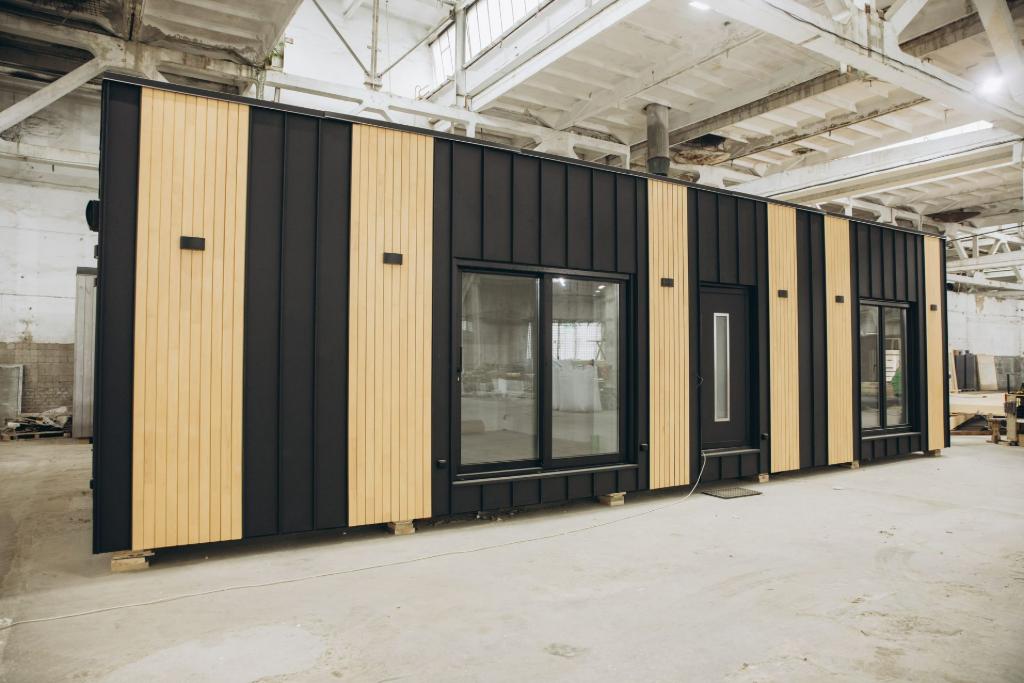
Modular construction is no longer an experiment; it is the mainstream solution to labor shortages. A McKinsey report indicates that modular methods can reduce project timelines by 30–50%.
The New Challenge for Screws
Unlike traditional on-site construction, modular units undergo a rigorous cycle of "Factory Assembly → Road Transport → On-site Lifting & Stacking". Fasteners must withstand:
- Continuous vibration during transport
- Shear and tensile loads during lifting
- High-speed installation on production lines
Shift in Fastener Demand:
- Structural fasteners replacing nails and general-purpose screws
- Long timber screws for deep penetration in mass-timber components
- Self-drilling / self-tapping screws for faster assembly
3. Digital Transformation: AI, BIM, and Digital Twins
The construction industry is becoming data-driven. With AI-based scheduling (capable of reducing delays by up to 60%) and BIM simulations becoming standard, fasteners are now part of the digital asset chain.
Digital Requirements for Suppliers:
- Integrability: Screw specification data must be compatible with BIM models.
- Transparent Passport: "Digital Twins" require complete material sourcing, batch traceability, and mechanical test reports (Pull-out / Shear tests) from Day 1.
- Precision: Automated installation equipment demands extremely consistent tolerances.
4. Sustainability & Regulation: ESG is Reshaping Procurement
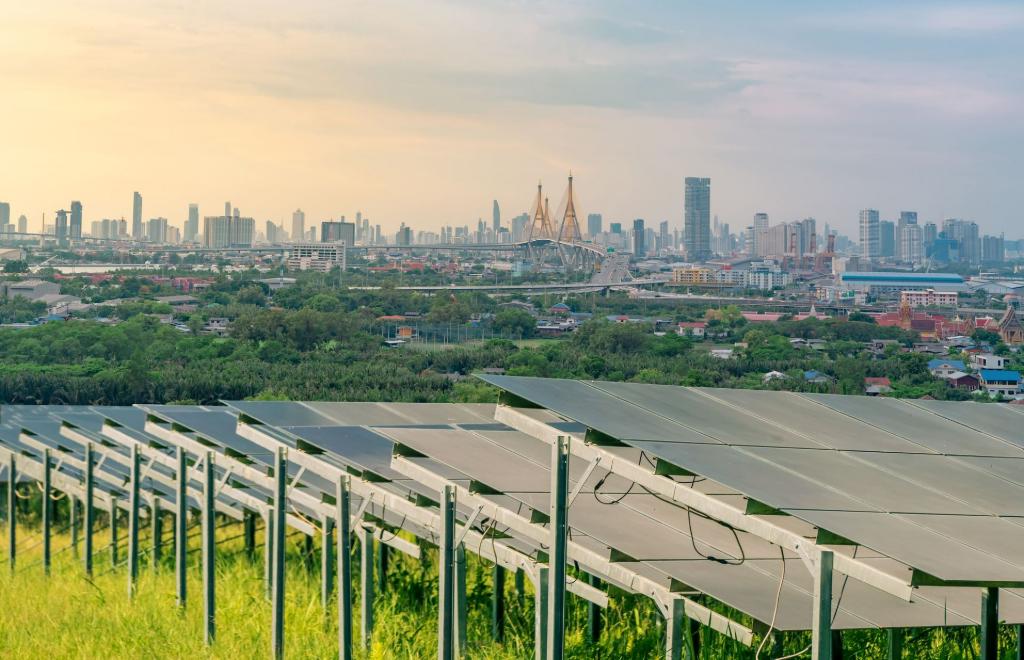
With the advancement of the U.S. "Buy Clean" Act and the EU's Carbon Border Adjustment Mechanism (CBAM), procurement decisions are shifting from "Price-Driven" to "Value & Compliance-Driven."
2026 Procurement Keywords
- EPD (Environmental Product Declaration)
- Low-carbon steel
- Long-life corrosion resistance
- Traceable materials
Adaptive Reuse: A Growing Market
Beyond new construction, adaptive reuse projects (office-to-residential, retail-to-industrial) are accelerating.
Example:
Since 1992, 10,000+ housing units in Manhattan were created through office-to-residential conversions.
Fasteners Needed in Renovation Projects
- Decking screws for re-decking outdoor terraces or indoor raised floors.
- Drywall / chipboard screws for re-partitioning and interior walls.
- Fixture fasteners for upgrading HVAC, plumbing, and electrical systems.
Find Solution: High-Efficiency Decking Screws for Renovation Projects
Three Key Fastener Upgrades for 2026
To meet lifecycle and sustainability requirements:
- Extreme weather
performance
≥1,000-hour salt-spray resistance to match building lifespan. - High-corrosion coatings
Designed for coastal, acidic-rain, or high-humidity environments. - Full material
traceability
Required for ESG reporting and green-building certifications.
5. Why Fong Prean is Your Strategic Partner for 2026
Facing a market that demands strength, digital
readiness, and sustainability,
Fong Prean is more than a supplier—we are your engineering partner.
How We Support Your 2026 Projects
- Precision
manufacturing
High-tolerance fasteners optimized for modular and automated assembly. - Comprehensive
product lineup
From interior screws to long structural screws—your one-stop solution. - Technical
& compliance support
Full torque/pull-out testing, batch traceability, and BIM-ready data. - Reliable
supply chain performance
Stable quality and consistent lead times trusted by major U.S. and European distributors.
Frequently Asked Questions
Q1: Why do modular buildings require higher-grade fasteners?
Because
modules experience vibration, lifting loads, and stacking forces.
General screws may loosen or fail. Structural-rated fasteners provide reliable
tensile and shear performance.
Q2: How do ESG policies affect fastener sourcing?
Buyers now require EPDs, longer product lifespan, and corrosion-resistant coatings to minimize lifecycle carbon emissions.
Q3: Why are AI and BIM relevant to fasteners?
Digital
workflows require precise component data.
Suppliers that provide complete specifications and performance documentation
are more likely to be selected in early design stages.
Conclusion
2026 is not just a recovery year—it marks a turning point in how buildings are designed, built, and maintained. High-efficiency fasteners are now central to modular construction, sustainable building, and digital engineering.
Ready to strengthen your next project? Contact Fong Prean Team
References:
- Oxford Economics – Global Construction Outlook 2025–2026
- Dodge Construction Network – Data Center & Megaproject Reports
- McKinsey & Company – Modular Construction: From Projects to Products
- Deloitte – Global Powers of Construction

Ling Wu, Marketing Analyst
Ling Wu is a marketing analyst at Fong Prean, focusing on market research, trend insights, and content strategy. With a passion for data-driven storytelling, Ling bridges industry knowledge with actionable insights to help businesses thrive.